Geothermal Heat Pumps Explained
As concerns over environmental impact grow and energy costs rise, more homeowners are turning to sustainable alternatives for heating and cooling. Geothermal heating and cooling systems tap into the Earth's stable underground temperature to regulate indoor climate and are rapidly gaining popularity. These systems offer a smart solution that combines high efficiency with a reduced environmental footprint.
Though the upfront investment might appear significant, geothermal systems can cut energy bills by up to 65%, ensuring year-round comfort. Whether building a new home, upgrading an existing HVAC system, or reducing a carbon footprint, learning how geothermal systems work—and the numerous benefits they provide—can completely transform energy consumption. Let's explore why this innovative technology is worth considering.
What Is a Geothermal Heat Pump
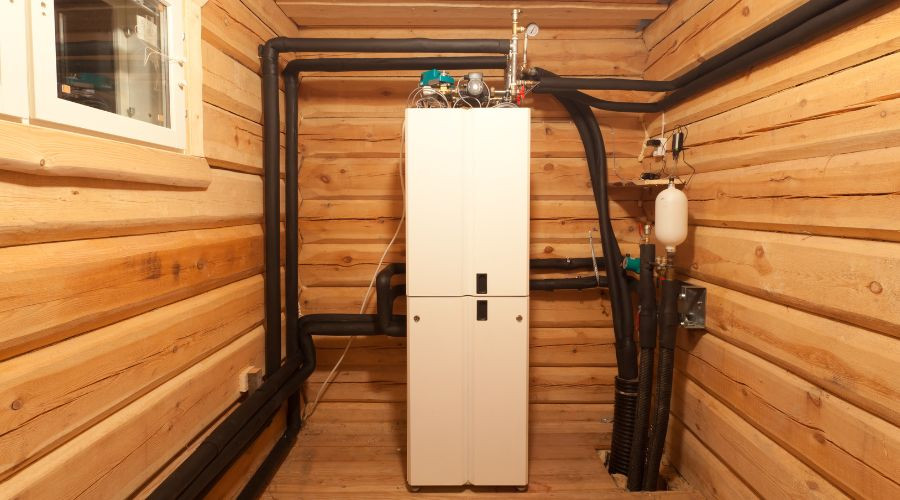
 Unlike traditional HVAC systems that generate heat or cool air directly, geothermal systems transfer heat between the ground and the home via a network of buried pipes filled with water or refrigerant, known as a ground loop. A geothermal heat pump (GHP) system uses the Earth’s relatively constant underground temperature to efficiently heat and cool buildings. The temperature of the soil remains steady around 50-60°F (10-15°C) year-round, regardless of the season above ground.
In winter, the system extracts heat from the ground, where the fluid circulating through the ground loop absorbs thermal energy and carries it to the heat pump inside. The heat pump then concentrates this energy to warm the air, which is distributed throughout the home. In summer, the process reverses: the system removes heat from indoor air and sends it back into the ground through the same loop. This heat exchange process is highly efficient, with modern geothermal heat pumps delivering up to 4-5 units of heating or cooling for every unit of electricity consumed, making them significantly more energy-efficient than traditional HVAC systems.
Geothermal System Benefits
 Geothermal heating and cooling systems offer a variety of advantages, making them an increasingly popular choice for homeowners seeking efficiency and sustainability. Rather than generating heat via combustion or electrical resistance like conventional HVAC systems, geothermal heat pumps simply move existing heat between the ground and the living space. This fundamental difference leads to impressive energy efficiency, with geothermal systems using up to 70% less electricity than conventional systems.
The consistent temperature of the Earth (ranging from 45-75°F, depending on location and depth) serves as a reliable heat exchange source, which remains stable no matter the outdoor weather conditions. The efficiency of geothermal systems directly translates into significant cost savings. Many homeowners report a 30-60% reduction in heating and cooling costs. Beyond saving on monthly bills, these systems are exceptionally durable. Indoor components last around 25 years, and underground loops can last 50+ years—far outlasting traditional HVAC systems.
Additionally, geothermal systems operate quietly, require minimal maintenance, and offer uniform temperature control, eliminating hot and cold spots commonly found with conventional systems. The reduced energy use also means a smaller carbon footprint, making geothermal an eco-friendly choice for those committed to sustainability.
Geothermal systems also outperform air-source systems. Unlike air-source heat pumps, which are affected by fluctuating outdoor temperatures, geothermal systems maintain high efficiency by using the Earth’s constant underground temperature. This results in superior performance, with geothermal systems typically achieving coefficients of performance (COP) between 3.0 and 4.5, while air-source systems usually range from 1.5 to 2.5 COP.
Another key advantage is longevity and quiet operation. While air-source heat pumps typically last around 10-15 years, geothermal systems' indoor components last 20-25 years, and the ground loop can last over 50 years. Plus, since geothermal systems don’t require noisy outdoor condensing units, they operate much more quietly than air-source heat pumps. The system’s primary mechanical components are housed indoors, eliminating the need for noisy fans and coils outside, resulting in peaceful operation that many homeowners find appealing.
Signs a Geothermal System Needs Service
Like any HVAC system, geothermal heat pumps show signs when they need maintenance or repairs. If electricity bills suddenly spike without any changes in usage, it may indicate a drop in system efficiency, potentially due to loop pressure issues or a failing heat exchanger. If certain rooms remain uncomfortable despite adjusting the thermostat, it could point to issues with the distribution system or heat pump performance. Unusual noises—such as grinding, rattling, or whistling—might indicate mechanical problems with the compressor or fan components, while a burning odor could signal electrical issues or motor failure.
Physical signs of distress include wet spots around the indoor unit or outdoor loop field, which may suggest refrigerant leaks or damaged ground loops. These leaks can reduce system efficiency and even lead to environmental contamination. If the system frequently cycles on and off or requires constant adjustments to maintain comfort, it might indicate thermostat issues, improper sizing, or declining performance. These symptoms should prompt a professional inspection, as catching issues early can prevent expensive repairs and extend the system’s lifespan.
About Central Heating
Central Heating is a trusted heating and cooling company serving Hawkestone, and beyond. They offer emergency services, affordable pricing, and guarantee satisfaction. Call them for geothermal systems service, installation, and retrofits in Barrie, ON.
)
Distribution Links +
- https://smb.suffolknewsherald.com
- https://smb.thewashingtondailynews.com
- https://smb.thewetumpkaherald.com
- https://smb.cordeledispatch.com
- https://smb.lagrangenews.com
- https://smb.middlesboronews.com
- https://smb.roanoke-chowannewsherald.com
- https://smb.tallasseetribune.com
- https://smb.thepostsearchlight.com
- https://smb.valleytimes-news.com
- https://smb.lowndessignal.com
- https://pr.washingtoncitypaper.com
- https://smb.theleesvilleleader.com
- https://smb.prentissheadlight.com
- https://smb.beauregardnews.com
- https://pr.hattiesburg.com
- https://pr.bradfordvillebugle.com
- https://pr.boreal.org
- https://pr.stylemg.com
- https://pr.walnutcreekmagazine.com
- https://pr.thembnews.com
- https://pr.timesofsandiego.com
- https://pr.chestercounty.com
- https://pr.wncbusiness.com
- https://pr.ashlandtownnews.com
- https://pr.franklintownnews.com
- https://pr.hollistontownnews.com
- https://pr.hopedaletownnews.com
- https://pr.naticktownnews.com
- https://pr.millismedwaynews.com
- https://pr.norfolkwrenthamnews.com

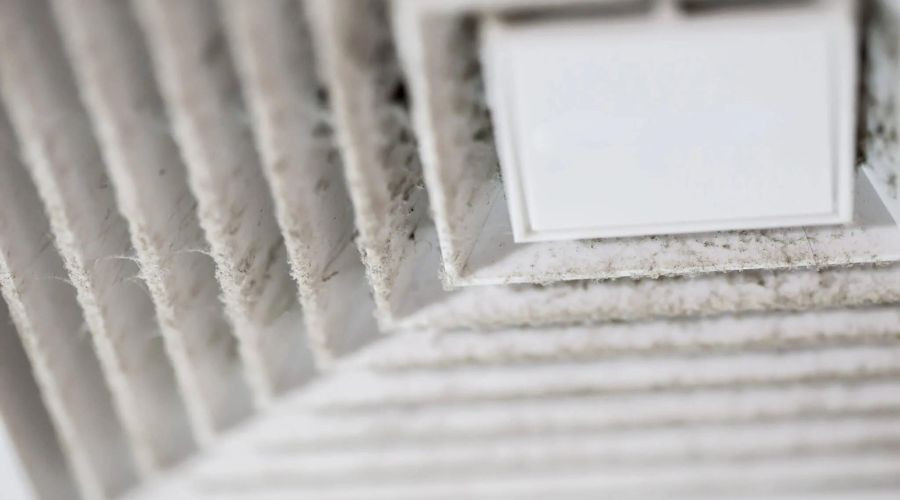
 Air filters are rated by their ability to remove tiny particles from the air. The rating system is called the MERV rating, and owners only need to know that a higher MERV rating means cleaner air. Manufacturers recommend changing most household air filters every three months. Because higher-rated MERV filters catch more particles, they should be changed more often.
  Changing the air filter on time is one of the most helpful things a homeowner can do for their families. A clean air filter offers several benefits:
 )
 There are many benefits of a
  Heat pump repair is most likely something that homeowners will eventually engage in throughout their use of a heat pump. Just like all things, heat pumps will break down, need a fix, or require maintenance, but fortunately, they can last as long as a decade before requiring a replacement. Some signs that a heat pump needs to be repaired include:
)
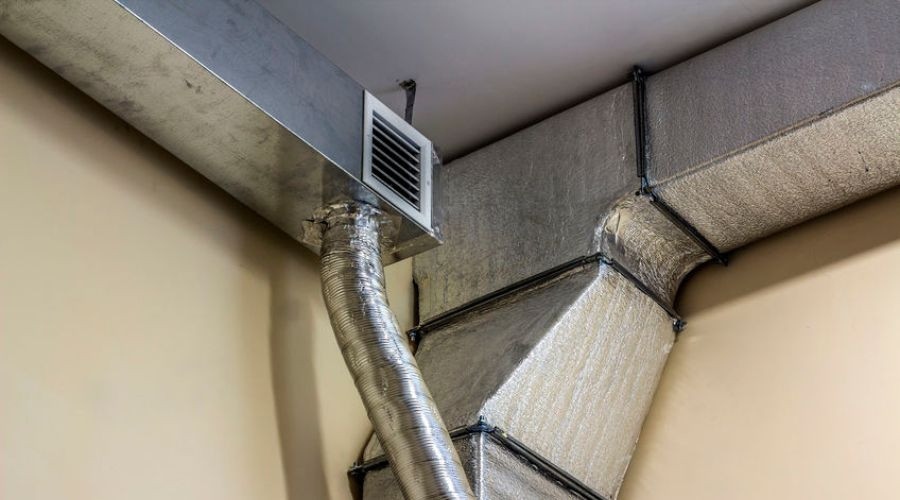
 The responsibility of delivering high-quality indoor air is not a trifling thing, so it is good that air ducts continue to be built with sturdiness and durability in mind. On average, ductwork has a maximum life expectancy of
  Most of the signs mentioned above that point to damaged air ducts can also double as symptoms of another ductwork-related problem, which is simple enough yet often overlooked - dirt that has accumulated and needs to be cleaned.
 )

 When people hear the term "boiler," they may think of steam coming from the funnel of an old locomotive or water boiling in a pot. While boilers used steam in the past, these days, they merely use a heat exchanger to heat water and send it through a closed system of pipes to warm the home. The basic parts of a boiler include the following list:
 Installing a boiler may seem like going backward from a technological standpoint, but this is not true. Boilers are not only continually being improved just as other systems are, but they are also a good choice for environmentally conscious people. Some ecological and health benefits from a boiler system are listed below.
)
)
)